Streaming vs Non-streaming API Responses
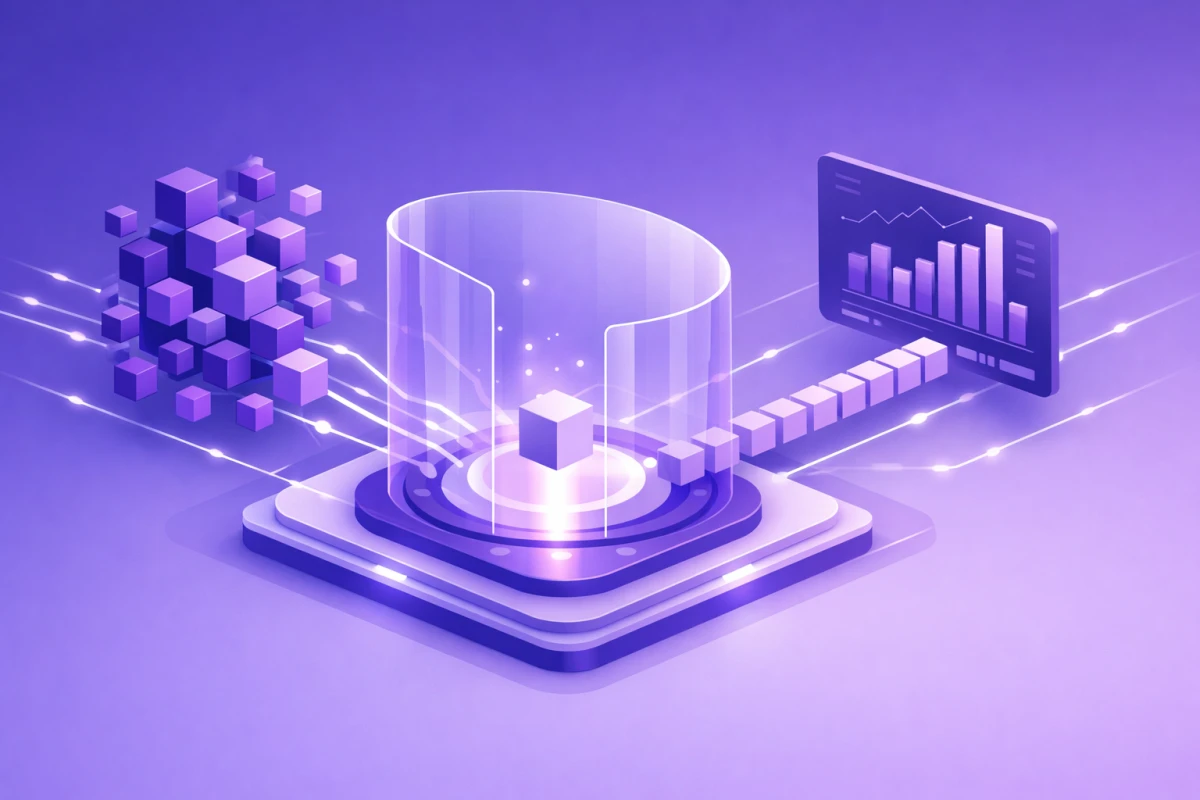
Understanding when to use streaming APIs for real-time AI output versus non-streaming batch responses, including implementation details for SSE, chunked responses, and performance optimization.
10 articles in this category

Understanding when to use streaming APIs for real-time AI output versus non-streaming batch responses, including implementation details for SSE, chunked responses, and performance optimization.

Learn how to batch API requests to cut LLM costs by 50% and dramatically boost throughput. Complete guide covering OpenAI, Anthropic Claude, and Google Gemini batch processing implementations for 2026.

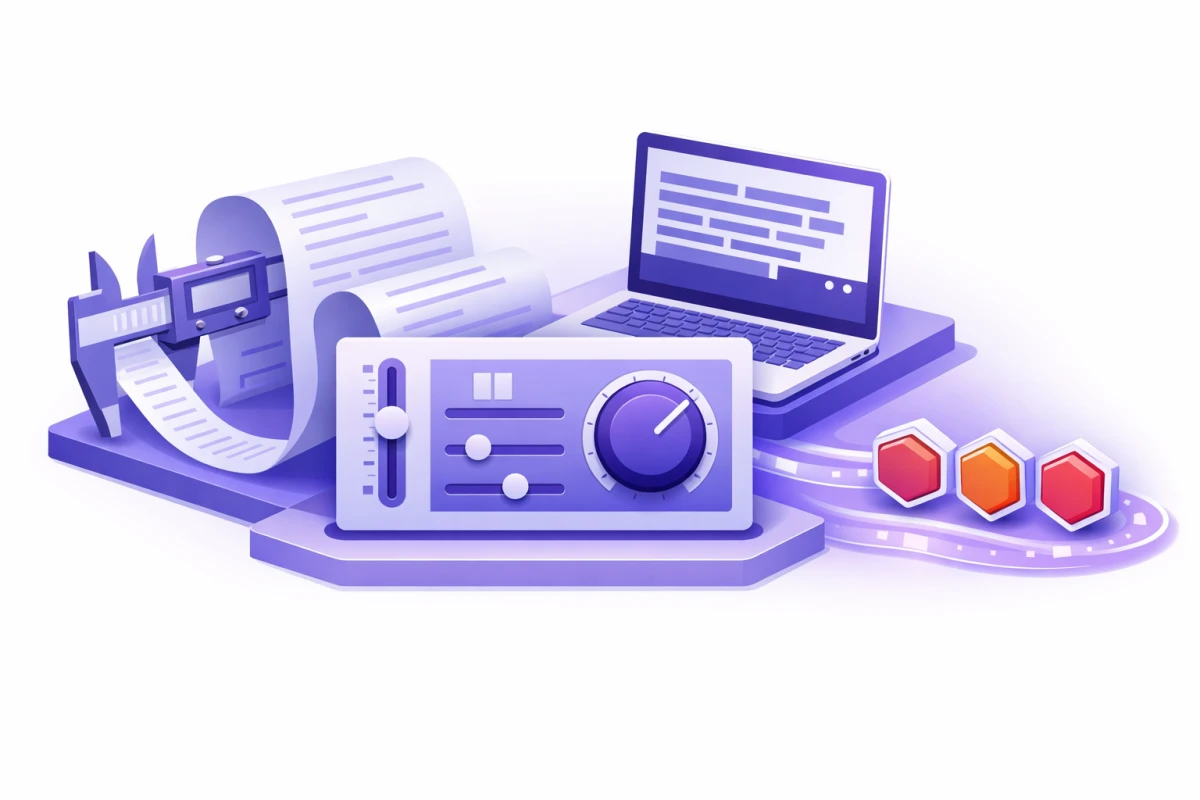
Master the essential LLM parameters that control AI outputs. Learn how to configure temperature, max tokens, top-p, streaming, and more for OpenAI, Claude, and Gemini APIs.

Choosing between API wrappers and native models for your AI deployment? This comprehensive guide compares costs, control, scalability, and privacy to help you pick the right approach for your specific use case.

Learn how max tokens and stop sequences control AI response length, cut API costs, and prevent truncated outputs. This guide covers practical code examples for OpenAI, Anthropic, and Google APIs.

Learn how API rate limits work, why LLM throttling happens, and the practical strategies that keep your applications running smoothly when working with OpenAI, Anthropic, and other AI providers.

Learn how to build custom GPTs, Google Gems, and Claude Projects to create your own personalized AI assistant. Step-by-step setup guide with real examples and platform comparisons.

Learn how LLM temperature controls AI output randomness, from predictable responses at temperature 0 to creative outputs at temperature 1, with practical use case recommendations and API examples.

Learn how prompt caching and KV cache reduce AI latency by up to 85% and cut costs by 90%. Discover how OpenAI, Anthropic, and Google implement these powerful optimization techniques for faster, cheaper LLM responses.

Learn how top-p sampling and top-k sampling control LLM outputs. This guide explains nucleus sampling, probabilistic decoding methods, and when to use each parameter for better AI results.